Oct 14, 2025
Introduction
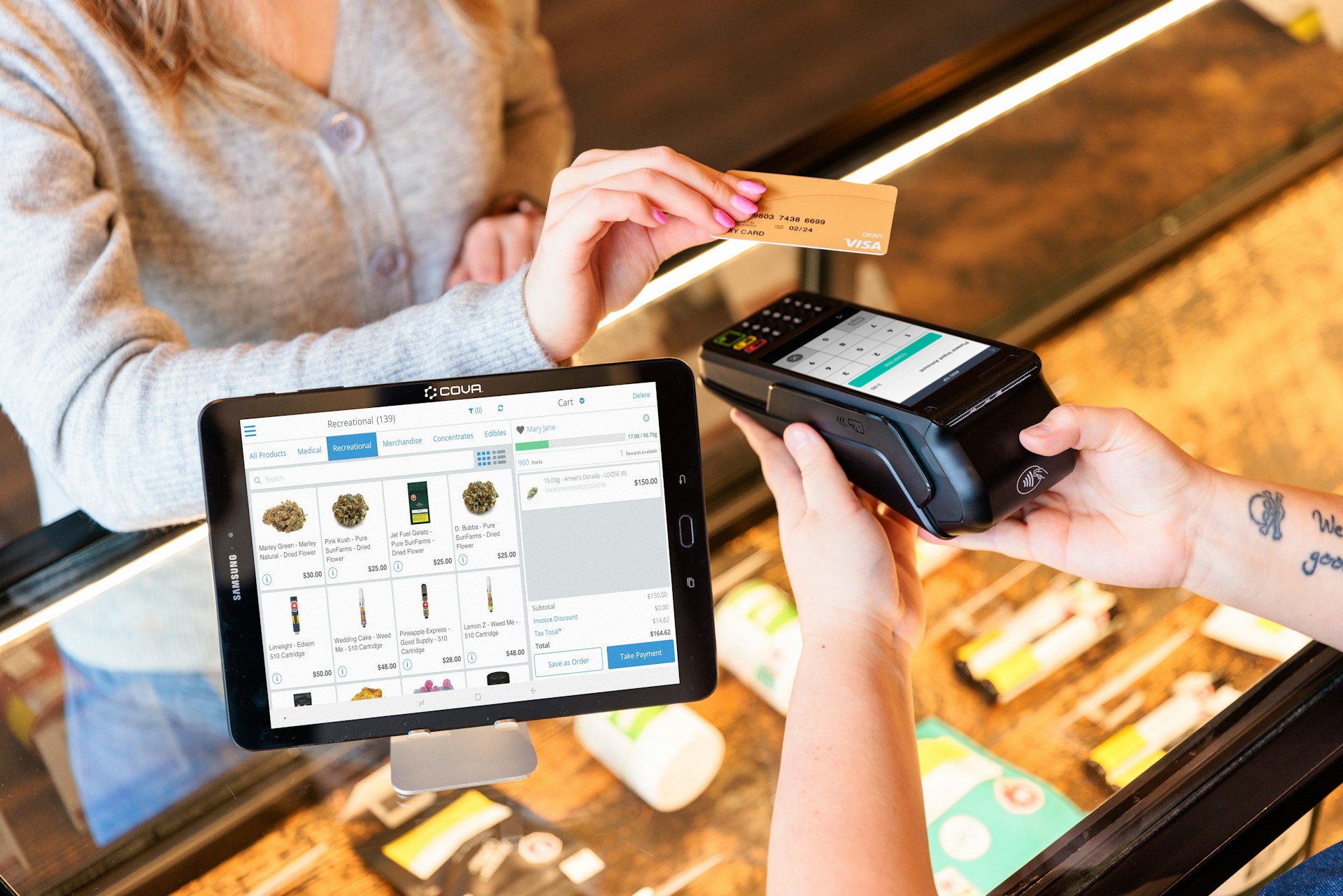
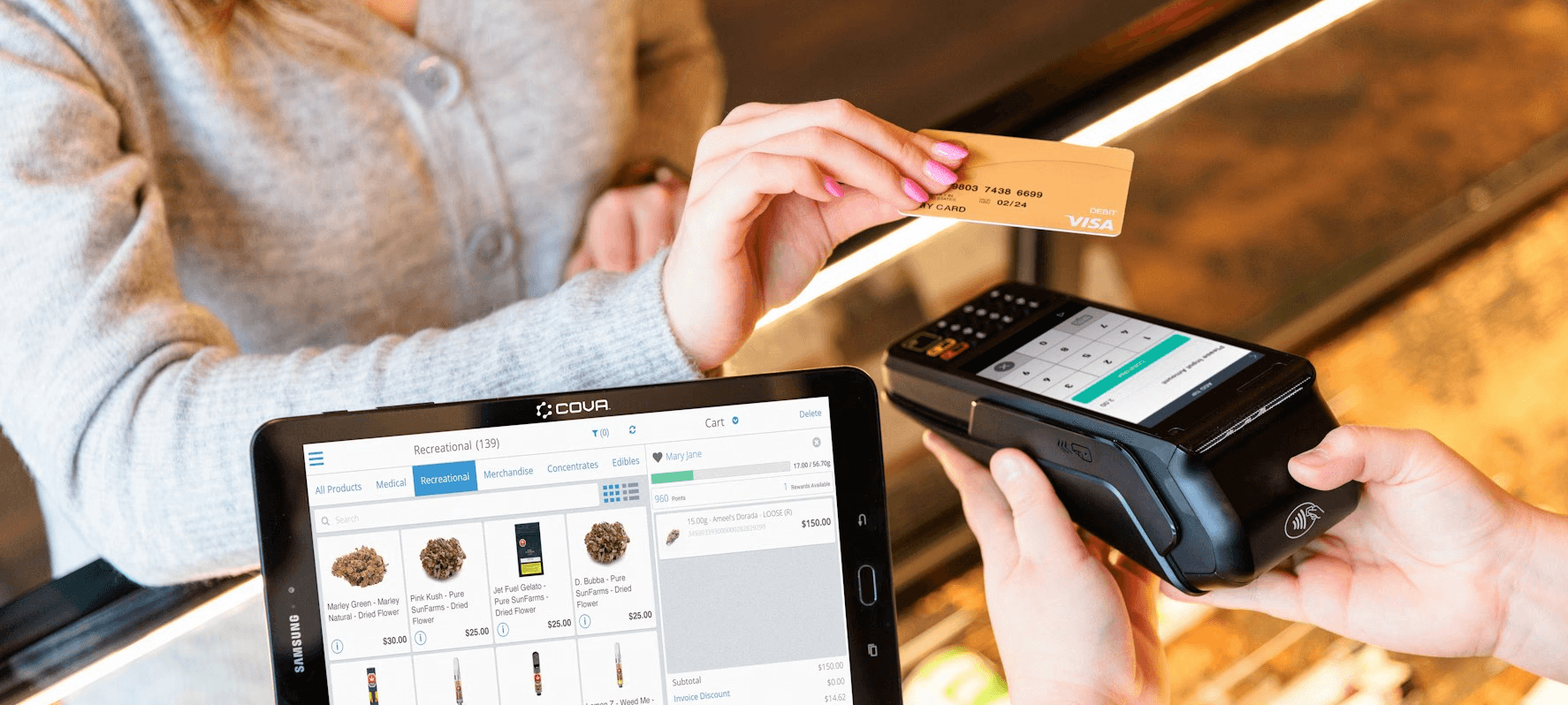
A global franchise brand operating multiple lines of businesses faced challenges with multiple legacy POS systems that varied across locations and regions. Zapcom modernized the franchise’s POS landscape by consolidating disparate systems into a unified, cloud-powered POS platform. The transformation delivered consistent operations, streamlined billing experiences, and improved manageability across all retail formats and brands.
Problem Statement
The franchise operated multiple POS systems across formats, brands, outlets, leading to manual adjustments, operational inconsistencies, and increased maintenance effort. Each store managed separate item catalogs, discount rules, and pricing updates, making brand-wide alignment difficult. To support scale and maintain operational consistency, the organization needed a digitized, centralized POS solution that would unify pricing, inventory, and ordering workflows while enabling secure, real-time communication between hubs, franchises and headquarters.

Manual price, catalogue, inventory updates across outlets.
Operational inconsistencies across legacy POS systems.
Limited real-time analytics and reporting.
High maintenance effort due to multiple vendor systems.
Need for standardized billing workflows.

Built a single unified POS application adaptable to diverse formats and brands.
Implemented centralized price management with automated updates.
Digitized POS operations with a cloud-first architecture.
Integrated customer engagement and line-of-business apps.
Developed an admin portal for headquarters to manage. catalog, taxes, and retail settings.
Technological Framework
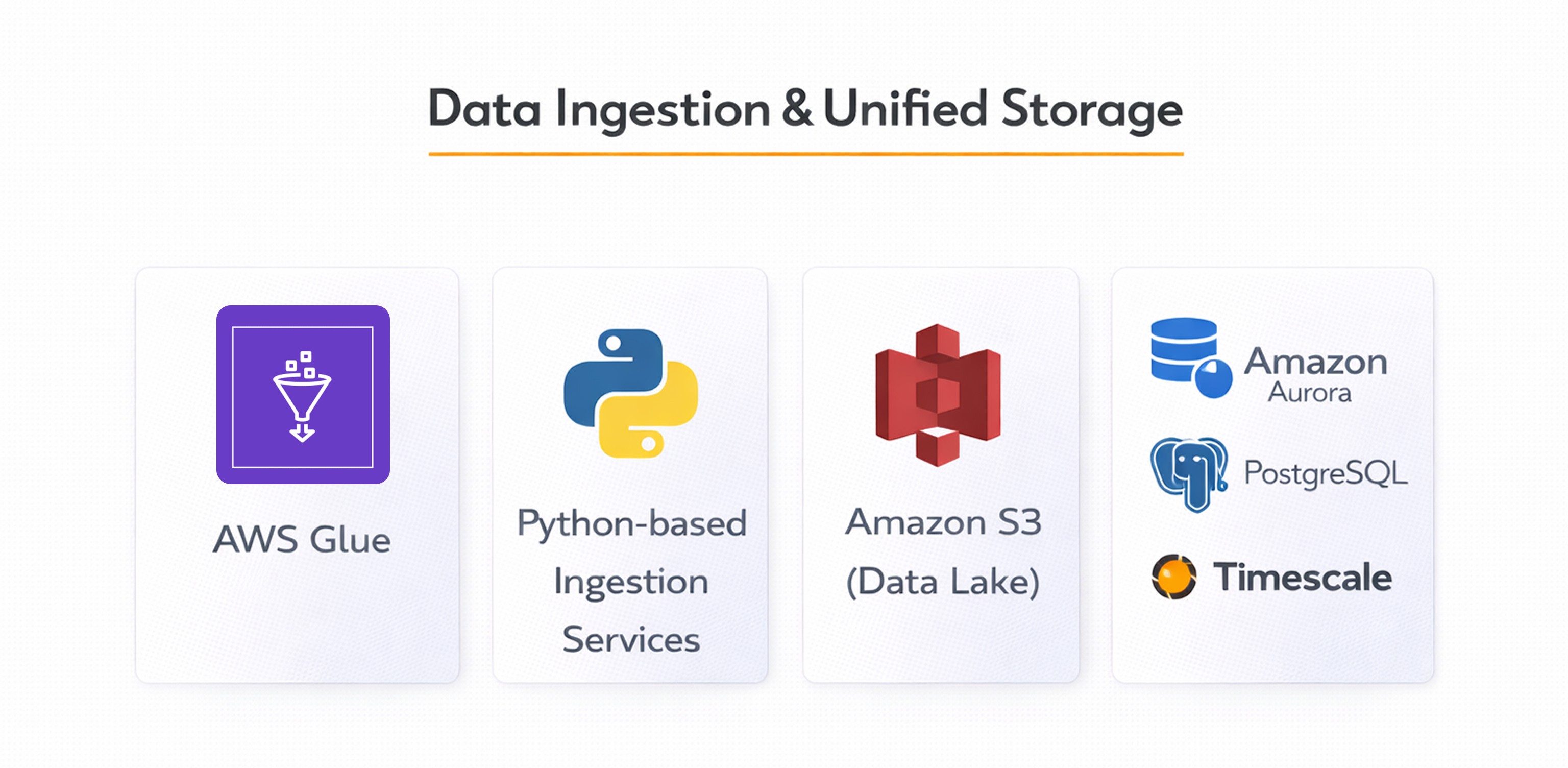
Why these Setup?
The client had data coming from multiple POS systems in different formats and frequencies. This setup allowed us to ingest everything reliably, store it centrally, and use the right database type for each data pattern without forcing a one-size-fits-all model.
Why this Setup?
Franchise activity varies by brand, territory, and time. Containerized services let us scale only what was needed, isolate workloads, and maintain consistent performance during peak usage without overloading the platform.
Why this Setup?
Business teams needed fast answers without waiting on engineering. This combination enabled direct querying on the data lake and self-serve dashboards, making insights easily accessible across brands and regions.
Why this Setup?
Django provided controlled access and admin workflows, DBT ensured trusted and versioned data transformations, and GIS enabled territory-based analysis bringing structure, governance, and geographic context to decision-making.
Takeaway
Zapcom unified a fragmented, multi-POS ecosystem into a centralized, cloud-native data platform. By aggregating real-time data into a scalable AWS data lake and enabling broad access to insights, the solution simplified operations, improved visibility across franchises, and positioned the home services brand for sustained growth across brands, territories, and POS systems.
Business Outcomes
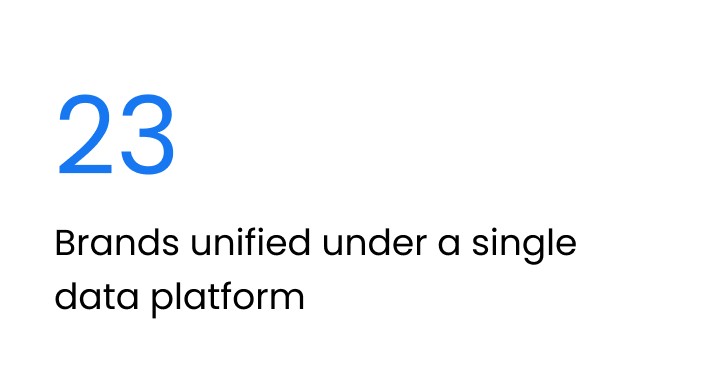
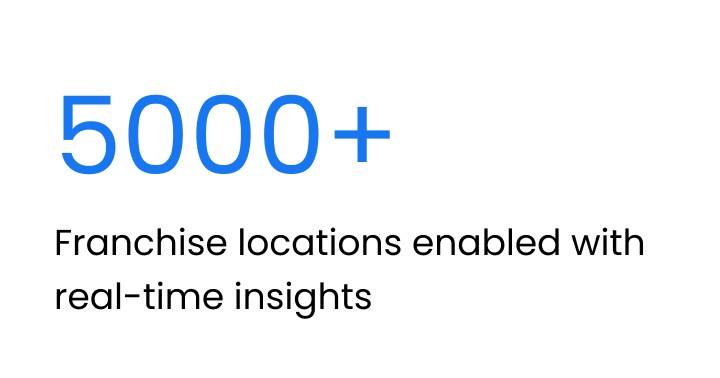
A unified, cloud-native data platform consolidated fragmented POS systems into a single source of truth across brands and franchise locations. This enabled real-time visibility, consistent reporting, and stronger data governance at both enterprise and local levels